A tap that drips all night. A radiator that stays cold. The communal door that no longer closes properly. Repairs are part of life in any shared building, and at Cairn Court most of them are sorted quickly once they reach the right person, with enough detail for someone to act on.
What follows is a plain-English walkthrough: how to report routine and emergency repairs, what happens to your report once it lands, roughly how long each stage should take, and how to keep an eye on progress without chasing the same person twice.
Routine repairs are the irritating ones rather than the dangerous ones: a dripping tap, a sticking window, a cupboard door off its hinge, a communal light that has been out for a fortnight. Use the reporting route set out in your resident handbook — the online portal, the maintenance phone line, or the managing agent's email address. All three work, but the portal usually generates a reference number automatically, which makes chasing far easier later on.
Whoever reads your report is not standing in your flat, so spell things out. A good report includes:
If the fault is in a shared area — a corridor light, the bin store, the lift — say so clearly. Communal jobs are often handled by a different contractor from the one who looks after individual flats, and they can take a little longer to schedule.
An emergency is anything that puts someone's safety at risk or is causing serious damage right now. Water escaping from a pipe you cannot isolate, a smell of gas, a total loss of power, a lift with someone stuck inside, or no heating in freezing weather in a household with a young child or an older resident.
Ring these in rather than filling in a form, and use the out-of-hours number printed in your handbook. Written reports are wonderful, but they sit in a queue until the next working day.
If you smell gas, leave the building, avoid switches and naked flames, and call the National Gas Emergency Service on 0800 111 999. For a fire or a medical emergency, call 999.
For anything else out of hours, do the obvious damage limitation first. If water is pouring through a ceiling, turning off the stopcock buys everyone time, even if you then have to wait for a call back.
Typically attended within a few hours, often the same day. For a lift entrapment or a gas smell, the response should be immediate — those are handled by specialist services rather than the usual maintenance team.
Faults that make a home hard to live in but are not dangerous — no hot water, a broken entry door, a toilet that will not flush — usually get a visit within a small number of working days.
Usually a few weeks. Occasionally longer, particularly if a part has to be ordered or the job needs a specialist trade. A slightly slower repair is not the same as a neglected one.
One thing worth remembering: a response time is when someone attends or gets in touch, not always when the job is finished. If you are a leaseholder, your lease and the managing agent's published service standards set out what applies to you. If you are unsure about your rights or obligations, take proper professional advice rather than relying on a forum thread.
Keep a short record as you go: the date you reported it, the reference number, who you spoke to, and what was agreed. It takes thirty seconds and saves an argument later.
When you follow up, lead with the reference number. Then give three facts: what was agreed, when, and what you need now. "Job 4821, reported on 3 March, was booked for a plumber on Tuesday and nobody came — please confirm a new date" is far easier to act on than "still waiting".
If the expected window passes without contact, ask for a named person and a specific date. If the second date slips, ask politely to escalate. Tone matters here: maintenance teams juggle dozens of jobs, and the resident who is clear and calm tends to get remembered for the right reasons.
Communal repairs move more slowly than jobs inside a flat, because the work may need a survey, a permit, or a contractor who can work around residents. Updates usually appear on the noticeboard or in the resident newsletter, so it is worth checking before you ring.
Not everything inside a flat sits with the building's maintenance team. Appliances you own, internal decoration, and blockages caused by what has been flushed away are generally yours to deal with. So are simple things like replacing a light bulb in your own rooms.
If you are unsure, ask before booking your own contractor. Work carried out without permission on shared systems — plumbing, electrics, anything behind the walls — can create problems for your neighbours and may leave you out of pocket. A quick question now is cheaper than an argument later.
Report things early, while they are still small. Be specific about location and symptoms, because a good description is what turns a report into a booked appointment. Keep your reference number and a note of what was agreed. Be available on the day, or tell someone promptly if you cannot be.
And be decent to the people who turn up with a toolbox. They are usually working through a long list, often in cold corridors, and a clear explanation of the problem plus a cup of tea goes a long way.
If you have reported something and heard nothing back within the expected window, do not sit on it. Quote your reference, ask for a date, and keep it short. That is the fastest route from a logged report to a fixed problem.
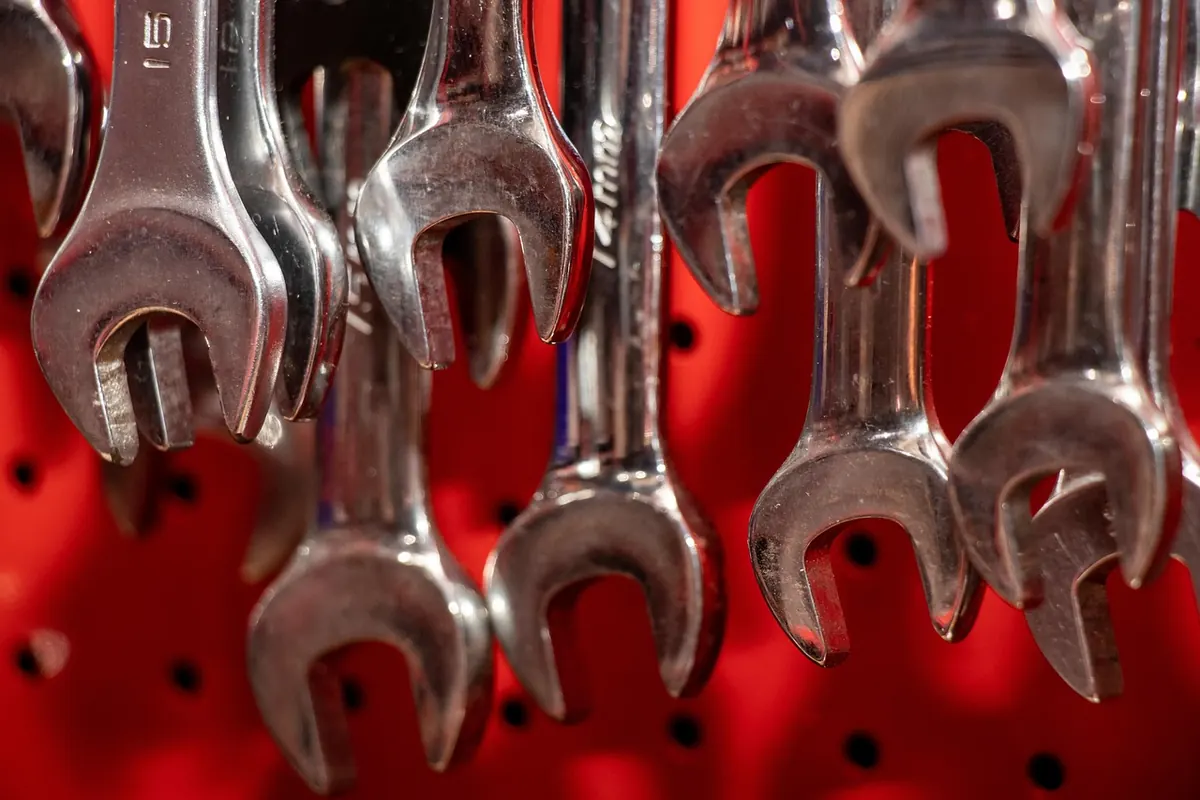
Photo: rockybigbear1990 / Pixabay